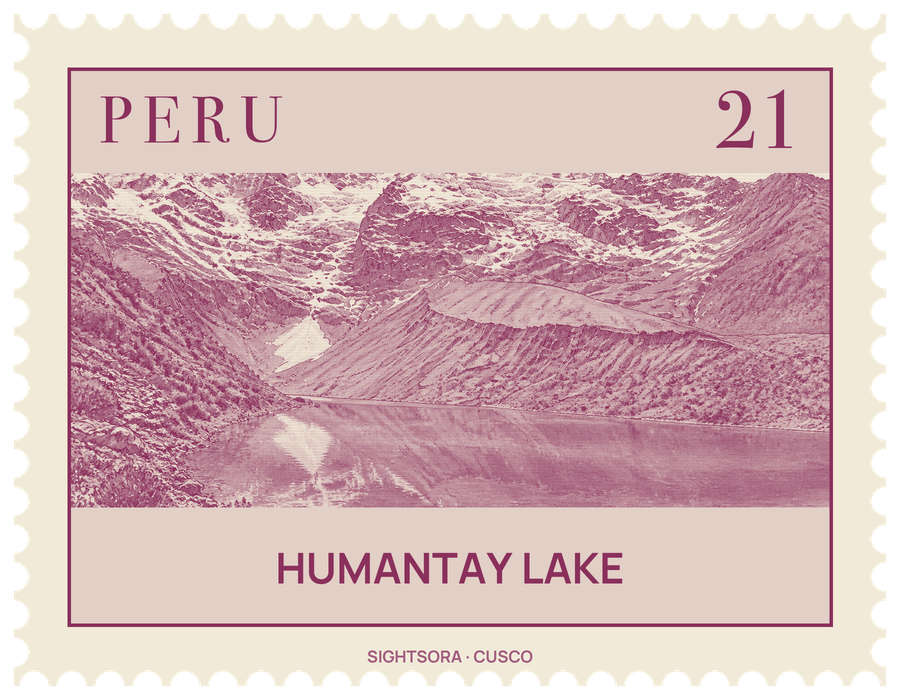
It is not always part of the standard Cusco itineraries, but it can be visited on a full-day trip of its own or on the way to the Salkantay snow peak.
The lake may once have mattered as a main source for the irrigation channels of the farmland below, or as a ceremonial place. A local legend tells of two brothers, Ausangate and Salcantay, who set off in opposite directions to end a drought. Salcantay found love in the north but had to go back so that Cusco would not be left without water; both brothers became snow peaks, and the lake was born from Salcantay's tears.
On reaching the shore, many visitors take part in an ancient offering to Pachamama, the earth mother, placing stones and coca leaves in thanks for the land and for a safe arrival. A camping area lies a few minutes from the water. Down in Soraypampa, traditional dishes include tamales with potatoes and guinea pig, wheat resbalado, patasca and chumo stew, served with chicha de jora.
Getting there
From Cusco, buses leave the Arcopata terminal for Mollepata, a ride of about two hours, and a taxi continues from Mollepata to Soraypampa, where the hike up to the lake begins; the walk takes around two hours. Return transport from Soraypampa is hard to find, so it helps to arrange for the driver to wait or come back.